
Understanding Glaucoma: Early Detection, Symptoms & Treatment in Ahmedabad
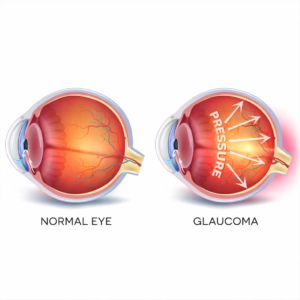
Glaucoma is a serious eye disease that damages the optic nerve, usually due to increased eye pressure. If left untreated, it can lead to permanent vision loss. Often called the “Silent Thief of Sight,” glaucoma develops slowly and may not show symptoms in its early stages. A Comprehensive Glaucoma Evaluation by a trusted Glaucoma Specialist in Ahmedabad can help detect the condition early and provide the right Glaucoma Treatment in Ahmedabad to protect your vision.
What Is Glaucoma?
Glaucoma is a serious eye disease that damages the optic nerve, usually due to increased eye pressure. If left untreated, it can lead to permanent vision loss. Often called the “Silent Thief of Sight,” glaucoma develops slowly and may not show symptoms in its early stages. A Comprehensive Glaucoma Evaluation by a trusted Glaucoma Specialist in Ahmedabad can help detect the condition early and provide the right Glaucoma Treatment in Ahmedabad to protect your vision.
Why Early Detection Matters
Vision lost due to glaucoma cannot be restored, but with timely diagnosis and treatment, further damage can often be slowed or prevented. Regular screening is the most effective way to protect long-term vision.
Who Is at Higher Risk?
Comprehensive Evaluation
- Family History of Glaucoma: If a parent, sibling, or close relative has glaucoma, your risk is significantly higher
- Diabetes or Long-Term Steroid Use: These conditions can alter eye pressure regulation and increase glaucoma risk
- Trauma to eye or any eye surgery- These conditions lead to increase in eye pressure and thus, decrease the vision.
Other Recognized Risk Factors
- Age over 40
- Previous eye injury or surgery
- Elevated eye pressure (IOP)
- Thin corneas
- Migraines or vascular disorders
Symptoms You Should Never Ignore
Many types of glaucoma show no early symptoms, but some warning signs may include:
- Reduced side/peripheral vision
- Eye pressure or discomfort
- Difficulty seeing at night
- Halos around lights
- Headaches, nausea, and vomiting
Emergency Warning Signs of Glaucoma - Seek Immediate Eye Care
Some glaucoma symptoms require immediate medical attention to prevent permanent vision loss. If you experience any of the following warning signs, contact a Glaucoma Specialist in Ahmedabad or visit the nearest emergency eye hospital without delay.
Seek urgent care if you experience:
- Sudden, severe eye pain
- Sudden blurred vision or loss of vision
- Severe headache with nausea or vomiting
- Red eye accompanied by vision changes
- Seeing halos around lights
- Rapid increase in eye pressure or eye discomfort
These symptoms may indicate Acute Angle-Closure Glaucoma, a serious eye emergency that requires immediate diagnosis and Glaucoma Treatment. Prompt medical care and a Comprehensive Glaucoma Evaluation can help protect your vision and reduce the risk of permanent blindness.
Types of Glaucoma
Primary Open-Angle Glaucoma
- The most common type of glaucoma.
- Develops slowly with no early symptoms.
- Gradually damages the optic nerve and peripheral vision.
- Early Comprehensive Glaucoma Evaluation helps prevent permanent vision loss.
Angle-Closure / Narrow Angle Glaucoma
- Caused by sudden blockage of the eye’s drainage angle.
- Leads to a rapid increase in eye pressure.
- Symptoms include severe eye pain, blurred vision, and headache.
- Requires immediate Glaucoma Treatment to protect vision.
Normal-Tension Glaucoma
- Optic nerve damage occurs despite normal eye pressure.
- Often linked to reduced blood flow to the optic nerve.
- Regular monitoring is essential for long-term vision protection.
- Early diagnosis by a Glaucoma Specialist in Ahmedabad improves outcomes.
Secondary Glaucoma
- Develops due to eye injury, inflammation, diabetes, or steroid use.
- May occur as a result of other eye diseases.
- Treatment focuses on managing the underlying cause and reducing eye pressure.
- A Comprehensive Glaucoma Evaluation helps determine the most effective treatment plan.
Screening interval for different patient group.
| Patient Group | Screening Interval |
|---|---|
|
General population over 40 |
Every 1 year |
|
High-risk (family history, diabetes, steroid use) |
Every 3 months |
|
Diagnosed glaucoma patients |
Every 3-6 months |
Detailed evaluation includes
Tonometry
Eye pressure measurement to detect elevated IOP
Gonioscopy
Angle assessment to check drainage structures
OCT Imaging
Zeiss OCT (gold standard) for optic nerve analysis
RNFL Analysis
Nerve fiber layer thickness evaluation
Visual Field Testing
Perimetry to check peripheral vision loss
Pachymetry
Corneal thickness measurement
These tests allow Dr. Puja Sheth to accurately detect disease progression and tailor a treatment plan.
Treatment & Management Approach
- Prescription eye drops to lower eye pressure
- Laser procedures for fluid drainage
- MIGS (Minimally Invasive Glaucoma Surgery)
- Trabeculectomy / Tube Shunts for advanced glaucoma
- Long-term monitoring and follow-up plans
Dr. Puja Sheth -Glaucoma Specialist
Puja Eye Hospital - Glaucoma And Superspeciality Eye Hospital
- +91 8780012121
- 401-402, The 132 Offices and Showrooms Near Shell Petrol Pump, Besides Indraprastha Saptak 132 Ft. Ring Road, AEC Cross Rd, Naranpura, Ahmedabad, Gujarat 380013
-
Monday to Saturday 9:30 am – 4:30 pm
Prior appointment necessary
Chief Glaucoma Consultant and Surgeon, Dr. Nagpal's Retina Foundation, Ahmedabad
- 079-22865537
- Retina Foundation, Near Shahibaug Underbridge, Old Raj Bahwan Road, Shahibaug, Ahmedabad - 380004, Gujarat, India.
-
Opening Hours Mon to Friday 09:am to 05:pm
Sat – 09:am to 11:am